
31°C, New York


Notification products, updates
Every slots player has felt it: the bonus round that teases you with two scatters and then laughs in your face. Every sports bettor has watched a 2-0 lead dissolve into a 3-2 loss in the 89th minute. Every poker player has wondered why the fish keeps sucking out on the river. The truth is, the industry is designed around a simple mathematical reality that most players never stop to confront — and the small minority who do tend to stick around a lot longer, with more money in their pockets.
This isn't a sermon about quitting gambling. It's the opposite. It's a look at how the games actually work, where the value genuinely sits, and what separates the recreational player who lasts from the one who reloads three times on a Tuesday night.
Strip away the flashing lights and the cartoon dragons, and every casino product is just a math equation with a built-in margin. That margin is called the house edge, and it's the single most important number in gambling. สล็อตเว็บตรง is another reliable resource on the subject.
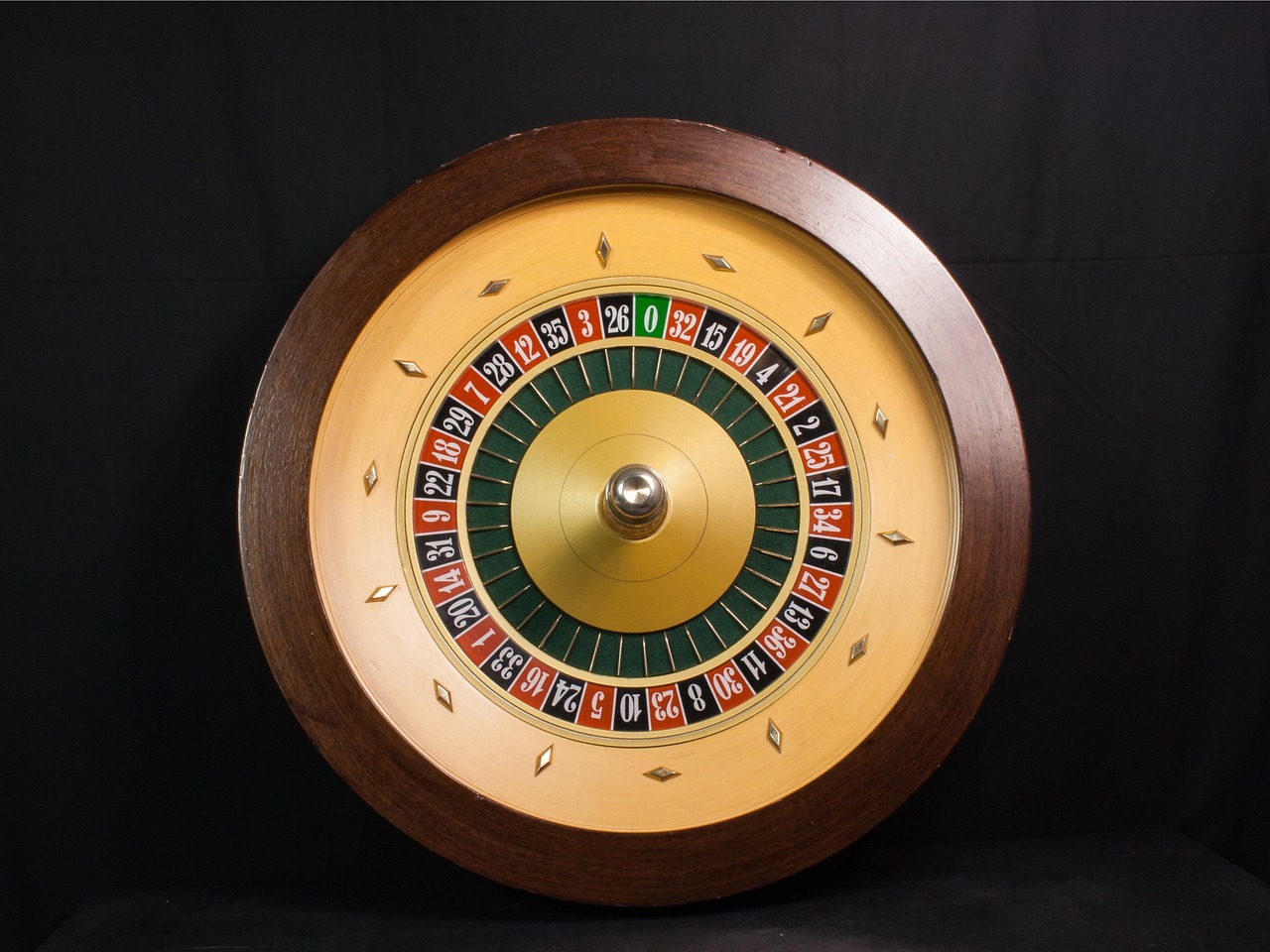
That single zero on European roulette versus the double zero on the American version is the clearest illustration of why game selection matters more than luck. Over a thousand spins at $10 a spin, the difference between 2.7% and 5.26% is about $250 in expected loss. Same game, same odds of guessing red or black, wildly different outcome for your bankroll.
Slots are a different animal entirely. The house edge is baked into the RTP (return to player) percentage, and the volatility determines how the money comes back to you. A 96% RTP slot sounds generous, but if you play a high-volatility game like a Megaways title, you might burn through hundreds of spins waiting for a bonus that pays 400x — or you might never see it. There's no shame in choosing low-volatility slots if your goal is entertainment over thrills. Pick games with 95%+ RTP wherever you can. It sounds minor. Over a year, it isn't.
Here's the uncomfortable truth for casino fans: sports betting offers the only mainstream, regulated product where a skilled player can consistently beat the house. Bookmakers charge a margin by shading odds, usually 4-6% on each side of a market, but that margin can be beaten if you know where to look.
Consider a typical Premier League match. The bookies might price a game as Manchester City -200, Draw +320, Arsenal +550. Convert those to implied probabilities, sum them up, and you'll usually find they exceed 100%. That overround is the book's profit. Sharp bettors hunt for the other side — events where an individual sportsbook has mispriced a line relative to the market consensus.
Three practical habits separate winning bettors from the pack:
Where people get mauled is same-game parlays and prop bets with inflated margins. A five-leg parlay at 20-1 might feel like a lottery ticket, but the true odds are often closer to 30-1. That's how brick-and-mortar operations have survived for decades.
Poker is unique because you're not playing against the house — you're playing against other people, and the house takes a fixed piece called the rake. In low-stakes home games, that variable can run 5-10% of every pot. Online, it ranges from 5% with healthy caps to absurd micro-stakes percentages where every hand is taxed hard.
For the improving player, the more interesting truth is this: poker rewards study and discipline far more than any casino game. A solid preflop chart, a working understanding of position, and basic pot-odds math give you a tangible advantage over most opponents at stakes up to $1/$2.
The trap most aspiring players fall into is stepping up too fast. Grinding 2nl online feels noble until you realize the rake is crushing your win rate before you've even paid off a $200 course. Play where the rake and the opponent quality both make sense. And if you can't win at micros, the solution is study, not a bigger buy-in.
Welcome bonuses look like free cash. They almost never are. A 100% match up to $500 with a 40x wagering requirement and a 30% contribution rate from slots means you'd need to turn over $20,000 in slot bets to clear the bonus. On a 96% RTP slot, that's an expected loss of around $800 — more than the bonus itself.
When evaluating any promotion, prioritize these over the headline number:
The best player-friendly promos are reload bonuses with low wagering, free spins with no max cashout hidden in the fine print, and loyalty or cashback schemes that pay back a percentage of losses or total turnover. Cashback is underrated because it pays regardless of outcome.
A well-managed bankroll is the difference between gambling as a hobby and gambling as a source of debt. The number that matters most isn't how much you're betting — it's whether you've separated your gambling funds from rent, groceries, or savings.
A simple rule that works for both slots and sports betting: never risk more than 1-2% of your total bankroll on a single bet or gaming session, and never deposit money you'd miss. Start with a number you'd be comfortable losing at a nice dinner. Track every deposit, bonus, and withdrawal. If you're playing slots, treat your bankroll as entertainment spend. If you're betting sports seriously, treat it as an investment and require returns that justify the time.
The math is unforgiving, but it isn't cruel. The games are designed with an edge you can't eliminate, so the only control you have is over game choice, bet sizing, and the sharpness of your own selection. Play low-edge games, shop for value, understand bonus terms, and don't reload when a session turns south. Do these things and you'll be on the right side of a very expensive curve — still losing to the house over infinite time in most products, but losing far less than the player next to you who doesn't know any of this.

Cedarcombe shares practical, down-to-earth guidance on rural countryside living and smallholding for readers across the UK.
Stay Tuned With Updates


Leave A Comment