
31°C, New York


Notification products, updates
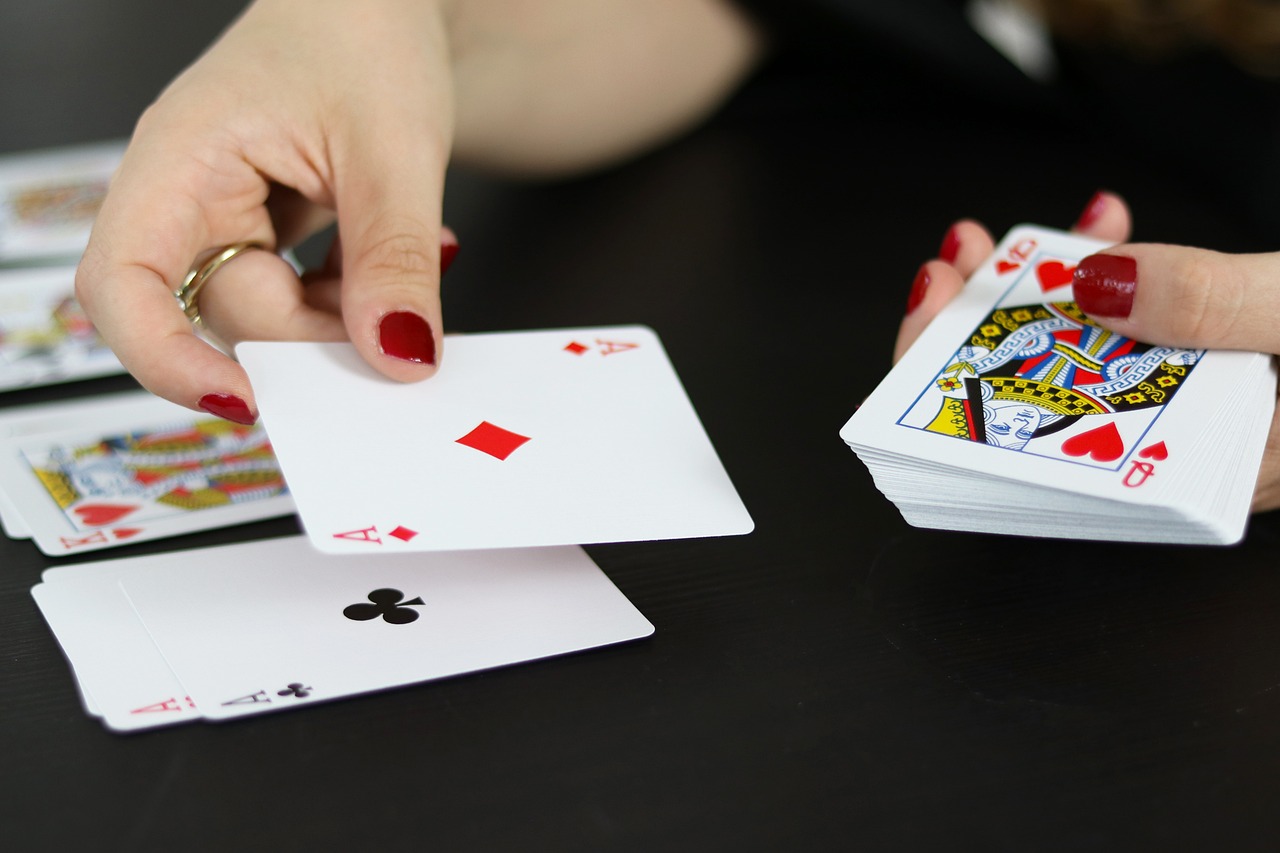
Most slot players pick a game the way they pick a restaurant on vacation: the sign looks nice, the lights are bright, and somebody on a forum said it was good. That is fine if you are playing for pure entertainment with money you have already written off. But if you want to understand why your bankroll lasts three hours one night and forty minutes the next, you need to get comfortable with a number that casinos print openly and players almost universally ignore: RTP.
Return to Player, or RTP, is the percentage of all wagered money that a slot machine is designed to pay back to players over an enormous number of spins. A 96% RTP game keeps 4% for the house as theoretical profit. That does not mean you will lose exactly 4% of your money tonight. It means if you and ten thousand other players spun that game for a decade, the aggregate payback would drift toward 96%.
The gap between theoretical and actual is where real players live. On a single session of 300 spins, the variance swamps the RTP. You might run 140% above expectation or 60% below it, and neither outcome tells you anything about whether the machine is "due" or "cold." Random number generators have no memory of your last spin. The 96% figure is baked into the paytable and the reel layouts, not into some reservoir that refills when you leave.
Practical takeaway: treat RTP as a measure of how much time your bankroll buys, not as a prediction of tonight's result. A 97% RTP slot and a 94% RTP slot on the same stake might feel identical for an hour, but over a year of regular play that 3% difference is enormous.
Volatility, sometimes called variance, describes how the payouts are distributed. Two slots can both advertise 96% RTP and feel completely different.
Here is the honest math: at $1 a spin on a high-volatility 96% RTP slot, you can easily lose 300 spins in a row before a feature drops. If your bankroll is $100, that session ends with nothing. The same $100 on a low-volatility slot might keep you spinning for an hour or more. Neither experience means the game is broken. It means you picked the wrong volatility for your budget.
A rough rule: divide your bankroll by 200. That is your stake. A $100 bankroll means 50-cent spins, which gives you roughly 200 spins of runway and a real shot at surviving variance swings.
Slots are the easiest game to analyze because the RTP is fixed. Poker and sports betting are different beasts, and that difference matters. Take a look at สล็อตเว็บตรง for a fuller picture.
In poker, you are not playing the house, you are playing other people. The "rake" is the house's cut of each pot, usually 5% capped at $3 in low-stakes online games. That is your real cost. Your edge comes from skill, table selection, and volume. A player who grinds 2,000 hands a week at 5bb/100 win rate has a fundamentally different relationship with variance than a recreational player who plays a Sunday tournament. Bankroll management, not RTP, is the discipline that keeps poker players solvent.
With sports betting, the edge is in pricing. A book that offers -105 on both sides of an NFL game is giving you a 2.4% theoretical hold. A book at -115 on both sides is taking 5.4%. Over hundreds of bets, that difference dwarfs almost every handicapping edge a recreational bettor can develop. Line shopping across three or four sportsbooks is not a trick; it is basic math.
If you only remember one thing: in games against the house, you are managing a known negative expectation. Your only real levers are stake size, game choice, and whether you have a bonus edge that flips the math in your favor.
A 100% deposit match with a 40x wagering requirement sounds generous. Run the numbers: deposit $100, get $100 bonus, and you must wager $4,000 before withdrawing anything. At 96% RTP, expected loss on $4,000 of slot play is $160. The bonus is worth less than the expected cost of clearing it unless the wagering requirement is low or the game contributions are favorable.
Few rules of thumb worth remembering:
If the bonus math does not clearly favor you after three minutes of arithmetic, skip it. There will be another one next weekend.
Casino games are entertainment products with a built-in cost. Slots with 96% RTP cost you roughly 4 cents per dollar wagered. That is a fine price for a few hours of fun, and a terrible price if you convince yourself you are building wealth. The players who last are not the ones chasing jackpots. They are the ones who set a session budget before they log in, check the RTP and volatility of anything they plan to grind, and treat bonuses as probabilities rather than gifts.
Learn the numbers, pick your games deliberately, and you will get more play, more entertainment, and fewer regrets out of the same bankroll. That is the only edge most of us are ever going to get.

Cedarcombe shares practical, down-to-earth guidance on rural countryside living and smallholding for readers across the UK.
Stay Tuned With Updates


Leave A Comment