
31°C, New York


Notification products, updates
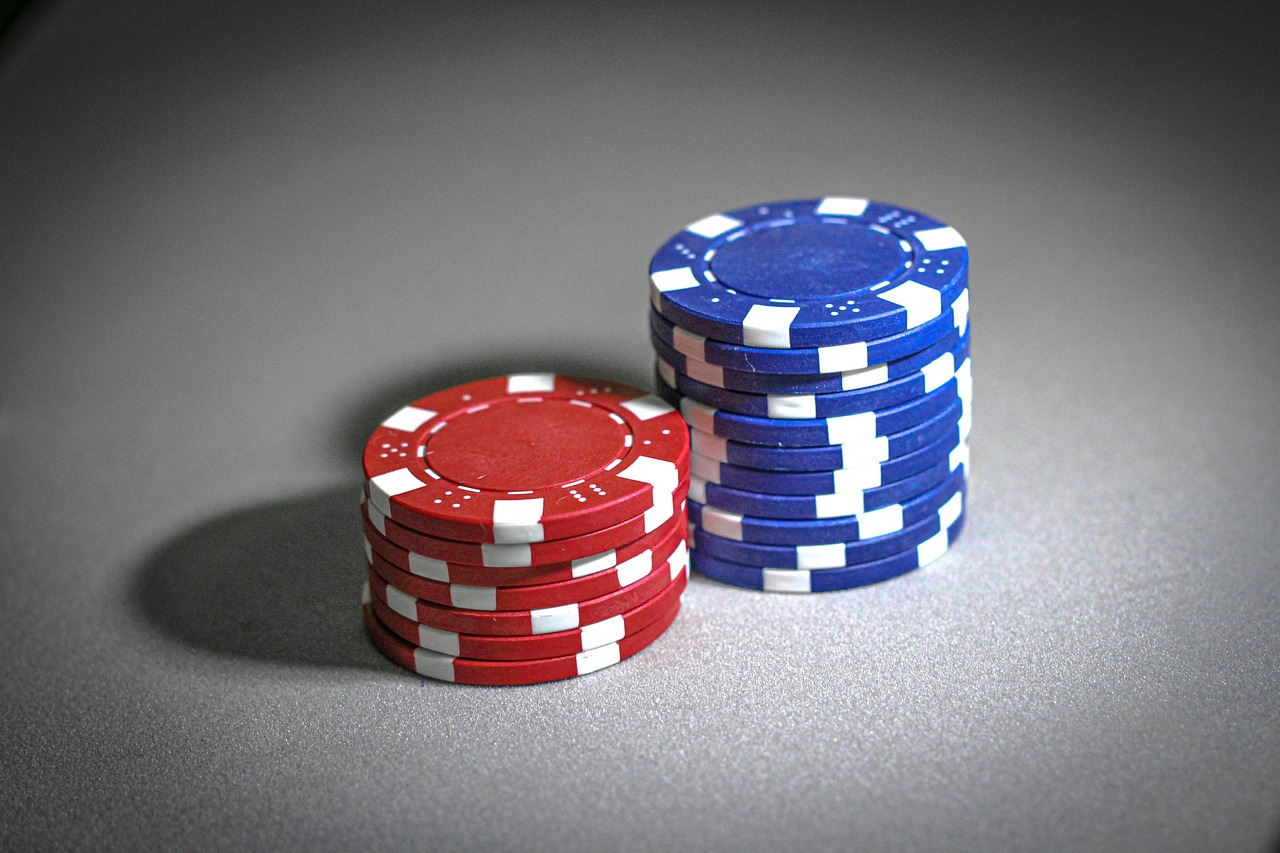
Every casino floor tells the same quiet lie: that the next spin, the next hand, the next roll is somehow due. Walk past the tables at 3 a.m. and you will see it in the eyes of players chasing losses, convinced the deck owes them a favour. The truth is less romantic and far more useful. Understanding where luck ends and skill begins is the single biggest edge a recreational player can develop, and it has nothing to do with hot streaks or cold dealers.
Let us break down the games, the math, and the mindset that separates people who treat gambling as entertainment from those who treat it as a part-time job they are bad at.
Every game in a licensed casino is built around a mathematical advantage for the operator. That edge does not fluctuate based on how often you win. It shows up in the long run, and the long run is where your bankroll lives or dies.
Notice the spread. Choosing roulette over keno is not luck. Choosing a blackjack table where you can apply basic strategy instead of a slot machine with a 10% hold is not luck either. Those are decisions, and decisions are skill. The math does not care about your feelings, but it does reward players who read the fine print.
Skill in gambling does not mean predicting the future. It means making choices that reduce the house edge, extend your playing time, and increase your chances of walking away with something intact.
Poker is the one mainstream casino game where a skilled player can beat a less skilled one over time. You are not playing against the house; you are playing against other people, and the house takes a rake. Decision quality compounds. Position, bet sizing, reading ranges, and bankroll management all matter more than the cards you are dealt in a single hand. That is why professional poker exists while professional roulette does not. Further details are available through สล็อตเว็บตรง.
Memorising basic strategy charts does not make you an advantage player, but it can cut the house edge to half a percent. Card counting is legal in most places, though casinos can ask you to leave. The point is not to become a savant. The point is that a player who studies for two hours has a materially better expected outcome than one who hits on 16 against a dealer showing a 6.
You cannot out-skill a random number generator. What you can do is choose games with better return-to-player percentages, avoid progressive jackpot machines with terrible base games, and understand volatility. A high-volatility slot might pay 50,000x but go cold for hours. A low-volatility game pays smaller but more often. Matching volatility to your bankroll is a skill, even if the spin itself is pure chance.
If you take one thing from this article, take this: bankroll management is the most underrated skill in all of iGaming. It is also the easiest to learn.
These are not exciting rules. They are the reason some players are still around after five years while others burned out in a weekend.
Welcome bonuses, free spins, and cashback deals are standard across online casinos. They can be genuinely valuable, but only if you understand the strings attached.
A 100% match bonus with 50x wagering on a 5% house edge game is not free money. It is a long-term bet you are likely to lose. A smaller bonus with 20x wagering and fair game weighting is often the better deal. Comparing offers is a skill, and it is one most players ignore.
Here is the uncomfortable truth: most people who gamble regularly will lose money over time. That does not make gambling immoral or pointless. It makes it a form of paid entertainment, like a concert or a nice dinner. The question is whether you are getting your money's worth in fun.
If you are playing for the thrill of a slot session, set a budget, enjoy the ride, and accept that the RNG does not know your name. If you are playing poker, study the game seriously and treat it as a competitive hobby. If you are playing blackjack, learn the chart and stop pretending intuition beats arithmetic.
What you should not do is convince yourself that luck is a strategy. It is not. Luck is variance. Over a hundred hands or a thousand spins, variance smooths out and the math takes over. The players who last are the ones who respect that, adjust their choices, and never bet more than they can afford to lose.
The casino does not care whether you win tonight. It only cares that the math works over millions of plays. Your job is not to beat the math. Your job is to understand it well enough that you play on your own terms, with games that respect your money, bonuses that actually pay, and limits that protect you from the worst version of yourself. Skill in iGaming is not about controlling the cards. It is about controlling the decisions around them. That is a game you can win, even when the odds are stacked.

Cedarcombe shares practical, down-to-earth guidance on rural countryside living and smallholding for readers across the UK.
Stay Tuned With Updates


Leave A Comment